
| V1 | V2 - Past Simple | V3 - Past Participle |
|---|---|---|
be [biː] | was, were [wɔz], [wɜː] | been [biːn] |
ser, estar
| ||
Frases de ejemplo para el verbo irregular be
- You are very kind. Eres muy amable.
- Yesterday, the weather was amazing! ¡Ayer el clima fue increíble!
- She has been to Paris three times. Ha estado en París tres veces.
Características del uso del verbo be
En inglés, el verbo «to be» cambia según el pronombre con el que se usa. En tiempo presente, tiene tres formas: am, is, are.
✅ «Am» – se usa solo con «I» (yo).
📌 Ejemplo: I am a student. (Soy estudiante.)
✅ «Is» – se usa con he (él), she (ella), it (eso).
📌 Ejemplo: She is happy. (Ella está feliz.)
✅ «Are» – se usa con we (nosotros/as), you (tú/usted/ustedes), they (ellos/as).
📌 Ejemplo: They are friends. (Ellos son amigos.)
El verbo irregular “be” se usa a menudo en verbos frasales en inglés.
Verbos frasales populares con el verbo be

be about to
a punto de (hacer algo)

be after
buscar

be against
estar en contra

be along
llegar pronto

be away
estar ausente

be back
volver

be behind
llegar tarde
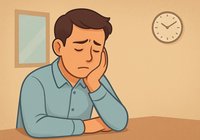
be down
no funcionar

be for
estar a favor de

be in
estar en casa, estar presente

be into
interesarse (por)

be off
irse, salir

be on
tener lugar

be out
estar ausente, no estar en casa
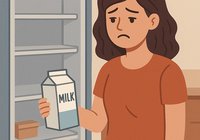
be out of
quedarse sin algo

be over
terminar

be through
haber terminado algo

be up
estar despierto; no dormir

be up to
estar haciendo algo (a menudo en secreto)

be with
apoyar o estar de acuerdo con alguien